Introduction
When it comes to heating our homes and providing hot water, boilers play an essential role. With a plethora of options available on the market, understanding the different types of boilers can be quite the task. Whether you're considering a new installation or simply looking to learn more about what’s out there, this guide will walk you through everything you need to know.
From combi boilers to conventional systems, we’ll cover how each type functions, their benefits, and potential drawbacks. You’ll also find insights into the best practices for boiler installation and maintenance in Leeds and Yeadon, where local plumbing and heating engineers are ready to assist.
Understanding the Different Types of Boilers Available on the Market
What is a Boiler?
A boiler is a closed vessel that heats water or other fluids to generate steam or hot water for heating purposes. It’s crucial for central heating systems and often provides hot water for domestic use.
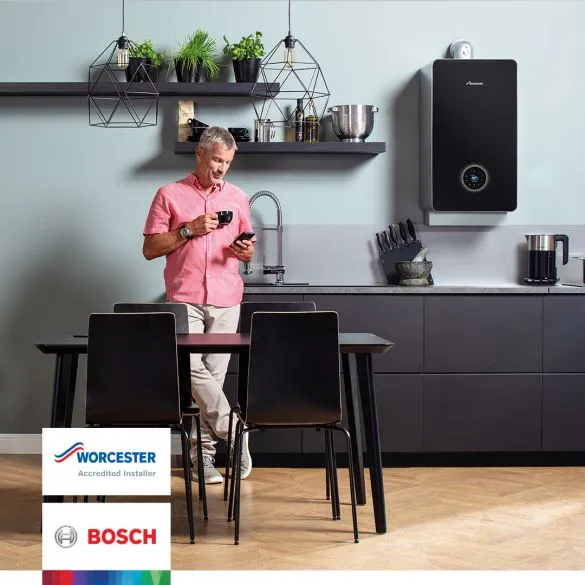
Boilers operate using various energy sources like gas, oil, electricity, or biomass. The right choice depends on your needs, preferences, and local availability of resources.
How Do Boilers Work?
Boilers function by converting fuel into heat energy. This process involves several components:
- Burner: Where fuel is mixed with air for combustion. Heat Exchanger: Transfers heat from combustion gases to water. Controls: Regulates temperature and pressure within safe limits.
By understanding these components, homeowners can make informed decisions when selecting a boiler type.
Types of Boilers
1. Combi Boilers
What Is a Combi Boiler?
Combi boilers are compact units that provide both space heating and hot water directly from the boiler without needing separate tanks or cylinders.
Advantages of Combi Boilers
- Space Saving: Ideal for smaller homes. Efficiency: Heat is generated on demand; no standing losses. Cost-Efficient Installation: Cheaper than traditional systems since no additional tanks are required.
Disadvantages of Combi Boilers
- Limited Hot Water Supply: May struggle to provide enough hot water during peak usage times.
2. System Boilers
What Is a System Boiler?
System boilers work with an unvented cylinder to store hot water while using built-in components that simplify Boiler Installation installation.
Advantages of System Boilers
- Better Hot Water Supply: A larger supply compared to combi boilers. Ideal for Larger Homes: Can easily meet higher demands for hot water.
Disadvantages of System Boilers
- Requires More Space: You’ll need room for both the boiler and storage tank.
3. Conventional (Regular) Boilers
What Is a Conventional Boiler?
Also known as traditional boilers, these systems require both a cold-water storage tank and a hot-water cylinder.
Advantages of Conventional Boilers
- Suitable for Larger Households: Capable of serving multiple taps at once. Reliable Hot Water Supply: Stored hot water means you'll never run out during peak times.
Disadvantages of Conventional Boilers
- Requires More Space: Needs more installations space due to additional tanks. Higher Installation Costs: More complex setup increases costs.
4. Biomass Boilers
What Is a Biomass Boiler?
Biomass boilers use organic materials such as wood pellets or chips as fuel instead of fossil fuels.
Advantages of Biomass Boilers
- Environmentally Friendly: Reduces carbon footprint. Sustainable Energy Source: Utilizes renewable resources effectively.
Disadvantages of Biomass Boilers
- Higher Initial Investment: More expensive upfront compared to conventional systems.
Choosing the Right Boiler Type
Factors to Consider When Choosing a Boiler
Household Size- Smaller homes may benefit from combi boilers while larger ones may require system or conventional options.
- Assess initial costs versus long-term savings on energy bills.
- Ensure you have enough room for installation based on the boiler’s requirements.
- Consider access to gas lines versus electric supply when making your decision.
- Look for models with high efficiency ratings (A-rated) which can save you money in the long run.
Installation Process
Steps in Boiler Installation
Choose Your Location Prepare Necessary Tools Connect Fuel Sources Install Chimney Venting Test Pressure Levels Final Inspection by Local Plumbing Engineer LeedsEach step should be performed by qualified professionals like Heating Engineer Leeds who understand local regulations regarding installations ensuring safety and efficiency in your home heating system.
Maintenance Tips for Your Boiler
Keeping your boiler well-maintained is vital for reliability and longevity:
Schedule Regular Servicing:- Annual check-ups can identify issues before they become significant problems.
- Keep an eye on gauge readings; low pressure could indicate leaks or issues.
- Remove trapped air from radiators regularly to ensure efficient heat distribution.
- Ensure vents are clear from blockages that could affect performance.
- For emergency repairs or extensive maintenance tasks, always consult Emergency Plumber Leeds or Plumbing Engineer Yeadon specialists who can address any concerns promptly!
FAQs About Different Types of Boilers
FAQ 1: What type of boiler is best suited for my home?
The best type depends on your household size, budget, space availability, and fuel preference (gas vs electric). Consult with Heating Engineer Yeadon for personalized recommendations tailored to your situation!
FAQ 2: How long does boiler installation take?
Typically, installation can take anywhere from one day up to three days depending on complexity and existing infrastructure modifications required in your home.
FAQ 3: How often should I service my boiler?
It’s recommended that you have your boiler serviced at least once every year by qualified professionals like Plumbing Engineer Leeds!
FAQ 4: Can I install my own boiler?
While some homeowners might attempt DIY installations, it's highly advised against due to safety risks involved—especially concerning gas connections—which require professional handling by licensed engineers like Heating Engineer Leeds!
FAQ 5: What signs indicate my boiler needs repairs?
Common signs include unusual noises (like banging), irregular pressure readings on gauges, leaks around the unit itself or uneven heating throughout your home—don’t hesitate! Call Emergency Plumber Yeadon immediately if you notice these issues!
FAQ 6: Are biomass boilers worth it?
Yes! While they might have higher initial costs than traditional models; their sustainable nature coupled with potential government grants makes them increasingly appealing environmentally conscious homeowners looking long-term savings!

Conclusion
Understanding Boiler Installation Leeds the different types of boilers available on the market equips homeowners with knowledge essential not only while selecting but also maintaining their heating systems effectively! Each option has unique advantages tailored towards specific needs—from space-saving designs ideal for compact living arrangements offered by combi units right through more robust solutions found within conventional setups catering larger households alike! Always consult experienced local professionals such as Heating Engineers in Leeds & Yeadon before making final decisions—ensuring comfortable warmth during colder months ahead while avoiding any unnecessary expenses arising from poorly executed installations!
Feel free to reach out anytime if you're considering new installations or repairs; there are dedicated specialists ready at hand across all areas including Emergency Plumbers Yeadon ready willing able assist whenever necessary!